Know That You Have a Choice
In the space between what happens to us and how we act, there is a quiet but profound power. And most of us don’t know it’s there.
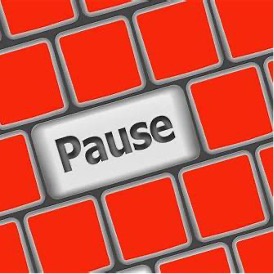
Most of us move through our days operating on a kind of emotional autopilot. Something happens, and almost before we know it, we have already said something, done something, or felt something we didn’t consciously choose. We call this reacting. The alternative is responding and it requires something the modern world rarely encourages us to practice: a pause.
The difference between a reaction and a response may look small from the outside. But lived over time, across the full texture of our relationships and daily choices, it can transform the quality of our lives and the quality of our relationships.
Reacting: the impulse of the moment
A reaction is immediate and often unconscious. It rises from raw emotion before reflection has a chance to enter. When we feel threatened, criticized, or caught off guard, our nervous system is wired to protect us. That protective reflex can take over before our wiser self gets a word in.
Reactions are not always wrong. For example, the surprise of a sudden kindness, or the delight of unexpected, good news. These instinctive expressions are part of what makes us human. However, when negative emotion is the trigger, an unconsidered reaction often escalates rather than resolves. It protects the ego at the expense of the relationship.
Responding: the power of pause
A response, by contrast, takes a breath. It creates space between the trigger and the action. This space allows for awareness, values, and genuine choice to operate. To respond is not to suppress emotion. Rather, it brings wisdom to it.
Viktor Frankl, writing from his experience in Nazi concentration camps, observed that between stimulus and response there is a space, and in that space lies our freedom. He found that even in the most extreme conditions imaginable, that space could not be taken from him.
Most of us will never face what Frankl faced. But we encounter our version of that space every day: in the traffic that frustrates us, in the feedback that stings, in the moment before we say something we cannot take back.
Two examples, side by side
| Reacting
A colleague offers critical feedback. Before they finish speaking, you begin defending yourself, your tone already sharp. Later, you replay the conversation and wish you had listened differently. Someone cuts you off in traffic. You slam the horn, shout, and carry the anger with you for the next twenty minutes.
|
Responding
A colleague offers critical feedback. You feel the sting — and you let it be there for a moment. Then: “That’s helpful. Can you give me an example so I can understand better?” Someone cuts you off in traffic. You notice the surge of irritation, take a breath, and refocus on driving safely. The irritation passes. The drive continues.
|
What the idiom “hold your tongue” really teaches us
The old phrase holds more wisdom than it might first seem. To hold your tongue is not to silence yourself. It is to create a moment of deliberate restraint so that what you do say actually reflects what you mean, and how you wish to be known.
This matters most when a conversation is turning into an argument or you feel tempted to offer unsolicited advice. It is also a wise choice when you are inclined to interrupt someone mid-thought or when strong emotion is already shaping what you are about to say.
What the pause makes possible
Pausing is not passivity. It is an active choice to reclaim your agency. In the space the pause creates, something becomes available that reaction forecloses:
- Choosing kindness over defensiveness
- Organizing your thoughts before speaking
- Clarifying what is actually being asked
- Communicating your own needs clearly
- Showing others that their feelings matter
- Reducing the likelihood of misunderstanding
- Setting a tone that others can follow
- Demonstrating better problem solving
Some people worry that pausing before speaking discourages open communication or blunts honest expression. My experience, both in my own life and in working with others, is exactly the opposite. Thoughtfulness does not muffle truth; it gives truth a better chance of being heard.
Reactions come from habit. Responses come from awareness.
One keeps us tangled in old patterns; the other invites us to grow. When you pause, you reclaim your power. You stop being a puppet of circumstance and begin living as the author of your own story.
Nowhere is this more important than in relationships where hostility is present. In those moments, the quality of your response can determine whether the exchange hardens into conflict or opens into something more honest and human.
That split-second space between what happens and what you do is not a gap to be filled as quickly as possible. It is an invitation. And learning to accept that invitation, again and again, is one of the quietest, yet most powerful and transformative practices available to us.
A question to sit with
In your daily life, where do you notice yourself reacting most often? What might you choose to shift in a conversation, a relationship, or yourself if you paused long enough to respond instead?
If this piece resonates with someone in your life, I would be grateful if you passed it along.
From judithjohnson.com Elevating consciousness to transform lives