Know That You Have a Choice
Most of us don’t realize how much power lies in the split-second space between what happens to us and how we act. In that space, we have a powerful choice: to react or to respond. The difference may seem small, but it can transform the quality of our lives and relationships.
Reacting: The Impulse of the Moment
A reaction is immediate and often unconscious. It springs from raw emotion without the benefit of reflection. When negative emotions are triggered, reactions are often defensive and designed to protect our sense of self in the heat of the moment. Here are two examples:
- Someone cuts you off in traffic and you slam your horn, shout, and stew in anger the rest of the drive.
- A colleague offers feedback, and you instantly argue back, dismissing their point before you’ve really heard it.
Reactions often escalate conflict or create regret. They are emotional reflexes rather than conscious and thoughtful choices.
Responding: The Power of Pause
A response, on the other hand, takes a breath. It creates space for awareness, consideration, and choice. Responses are shaped by reflection, values, and the recognition that we have an alternative to our impulses.
Here are two examples:
- Someone cuts you off in traffic. You notice the surge of irritation, take a deep breath and refocus on driving safely.
- A colleague offers feedback. Instead of jumping to defend yourself, you say, “That’s helpful. Can you give me an example so I can understand better?”
Responses don’t mean suppressing emotion. They mean bringing wisdom to emotion.
Why This Matters
Every interaction is a chance to choose the quality of our contribution to the conversation. Reactions come from habit. Responses come from awareness. One keeps us tangled in old patterns; the other helps us grow.
When you pause, you reclaim your power. You stop being a puppet of circumstance and start living as the author of your own story.
It is particularly important to respond rather than react in interpersonal relationships where hostility is being expressed.
Food for Thought
The idiom “Hold your tongue” advises us to exercise restraint when tempted to say something that might cause harm or be inappropriate:
- when a conversation turns into an argument
- when tempted to offer unwanted advice in a sensitive situation
- when inclined to blurt out a comment when doing so would interrupt someone speaking
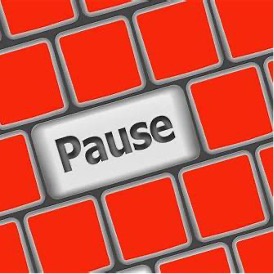
When we react we often are speaking impulsively without consideration for the impact of our words. This is fine when experiencing a pleasant surprise or some other experience that causes us to express enthusiasm. But when negative emotions are involved, there is great wisdom in hitting the pause button so we can think before we speak.
Consider these benefits of hitting the pause button in personal and professional situations. Instead of letting yourself just say whatever comes to mind, pausing gives you time to:
- choose kindness and consideration
- organize your thoughts
- clarify a question being asked
- show you care about the feelings of others
- communicate your own needs clearly
- build better relationships
- avoid misunderstandings and conflicts
- set a positive tone or example
- reduce anxiety
- demonstrate better problem-solving skills
Some would argue that this approach can discourage open communication or prevent constructive criticism. I think taking the time to be thoughtful of another person’s feelings actually improves the possibility of having your message heard.
Reflection Question
In your daily life, where do you notice yourself reacting? What might shift if you paused long enough to respond instead?
If you would like to know more about me and my work, please explore my website here.
Do you know someone who might benefit from reading this article? If so, please share it with them.

