
Until 1997, I had a strong belief in god. When I was a child, my god was the god of The Ten Commandments movie — much like Charlton Heston on a cloud. As I matured, so did my concept of god. My god became less imaginable in the image of a person and more of an invisible force. I always imagined god to be benevolent and capable of awareness of each and every one of us simultaneously. The closest I could come to defining god was love – the experience of two or more gathered in goodness.
Then, one day in March, 1997, I was driving south on the Taconic parkway in New York on my way to work. I hit black ice going 60 mph. I no longer had any control over the direction or speed of the car — I was suddenly a passenger and not the driver.
My car crisscrossed the road four times, and when it was clear I was about to go down a ravine into a swamp, a voice cried out from my belly saying, “I’m not ready to go yet, so you’ve got to take care of me. Please take good care of me.” In that moment, my car did what a mechanic later told my friend was mechanically impossible — it went into reverse. I hung on to the steering wheel while the car made a complete circle going rear first down the ravine and into the swamp. The trunk of the car was sliced all the way through by the tree that stopped the car. The rear window broke into a million pieces. My earrings and glasses flew off my head, landing in the foot area of the front passenger seat. My seat broke, and I was lying face up under the broken rear window, yet I didn’t have a scratch on me, nor was there any glass in my loose-weave wool coat.
I remember my euphoria when I realized the car had stopped. I touched myself and marveled, “I’m alive!” I sat up, retrieved my glasses, earrings, and briefcase and stepped out of the car into the swampy ground. Each step made a loud, moist, suctioning sound as I lifted each foot. I was in total shock, operating on auto pilot. I walked up to the road where the car that had been traveling behind me had pulled over, and this very nice woman beckoned me into her car to wait for the police and ambulance she had called.
I was taken to the hospital. It was as though everyone else I encountered was somehow different from me. They were all worried about me and making a medical fuss. Meanwhile, inside of me my euphoria grew and grew and grew. I was totally blissed out. I had had a spiritual conversion experience that I will never be able to translate in a meaningful way to another human being. I know that now, but at the time I just kept telling people that god is real. The doctors responded by wanting to treat me for post-traumatic stress. I wouldn’t let them. Through this accident I came to know that god is real beyond a shadow of a doubt. I no longer believe in god as an intellectual concept. I know god through personal experience. My knowledge was and remains irrefutable.
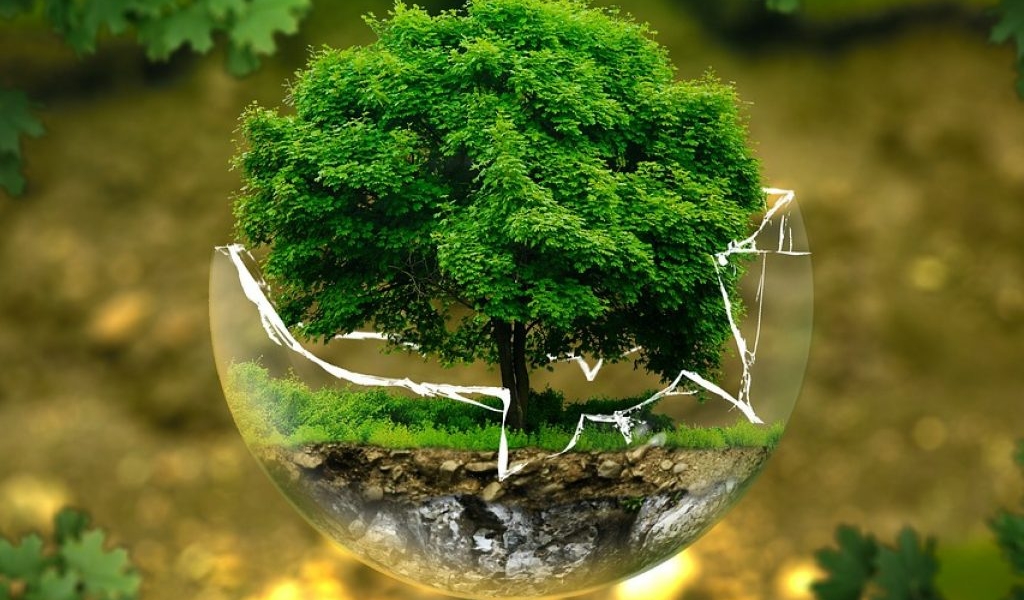
Nothing else has ever mattered so much to me as that wonderful gift I was given in a car accident that totaled my car to such a degree that the mechanic automatically offered his condolences to my friend who came to retrieve my belongings. He was incredulous when she told him I was home eating a turkey sandwich. To this day I recall the euphoria and the sense of a glass dome covering my body as the car crashed.
My mother and I were very close, and she shared my deep belief in god, but it wasn’t until two weeks before her death in 2012 that she also was given the gift of knowing god through personal experience. For her, it happened during a breathing treatment. She could barely speak at the time, but told me that she realized that god was breathing her. Like me, she was totally euphoric. That whole day she kept telling everyone who came into her room that god is real. Unfortunately, they all responded to what they thought was an elderly woman on morphine. I guess if you haven’t had the experience yourself, you have no frame of reference. All day, my mom kept asking me when they were going to make the announcement. “Who? What announcement?” I asked. The three most important people in the world she told me. I only remember two of them – the president and the pope. She was urgent about the need for them to let the world know that god is real. “People will want to live their lives differently.” she said.
Have you had an experience like this? If so, I would love to hear about it.